

The Hidden Truth About Pre-Sale Repairs
If you’re like most homeowners looking to sell, you might be eyeing every little thing that doesn’t look perfect — those chipped tiles, that old kitchen countertop, the carpet you never quite loved. The common instinct is to “fix everything” before you list. But here’s the secret most sellers discover (the hard way): some repairs add zero value to buyers, and others can actually waste your hard-earned money.
The result? More stress and a smaller check at closing.
It doesn’t have to be that way. The smartest sellers learn to focus on home repairs before selling that really make a difference — the ones buyers actually notice, and are willing to pay for.
The Biggest Mistake: Fixing What YOU Want, Not What Buyers Do
It’s completely natural to want your home looking its very best for showings. But there’s a difference between updating for yourself and updating for the current market. Maybe you always wanted a fancy granite countertop, or bold accent walls. But will your buyer share your tastes (or pay more for them)? Often, the answer is no.
Pro tip: Picture your buyer. What will help them fall in love with your home? Choose neutral, widely appealing improvements instead of your personal dream upgrades.
What Actually Pays Off? Focus on First Impressions
Here’s where your money counts: quick fixes that freshen up your home and boost curb appeal. That means:
- Spreading fresh mulch and trimming overgrown bushes for instant curb appeal
- Painting walls neutral colors and swapping out dated light fixtures for brighter, modern options
- Professional carpet cleaning or refinished hardwoods, plus updated faucets and cabinet pulls
All of these signal to buyers that the home is loved and well maintained. These smaller updates often lead to bigger offers than a total remodel, and they’re much kinder to your budget.
Costly Home Repair Mistakes to Avoid
Some projects sound tempting, but rarely earn back what you put in:
- Full kitchen remodels (most buyers would rather pick their own finishings)
- Spa-like bathroom overhauls that don’t fit the neighborhood
- Fancy appliances that don’t raise the list price
- Expensive basement renos, unless unfinished space is a major negative
Pro tip: If an upgrade won’t pop in listing photos or stand out at an open house, it’s not where you should spend big.
A Real Example: Spending Smarter, Not More
One of our recent Rockville clients faced exactly this choice. Instead of dropping $45,000 on a brand new kitchen, they chose targeted upgrades — new counters, cabinet paint, modern fixtures — for just $12,000. The result? The home sparked a bidding war and sold for $35,000 above asking price.
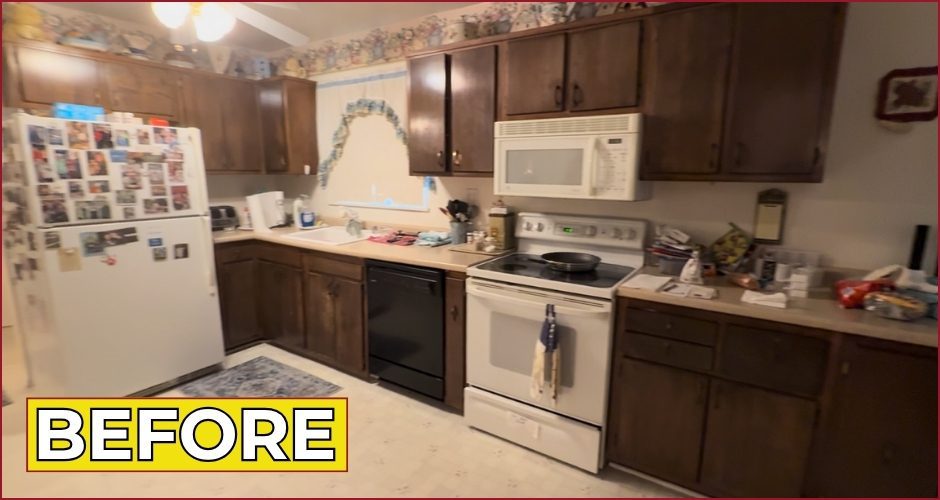
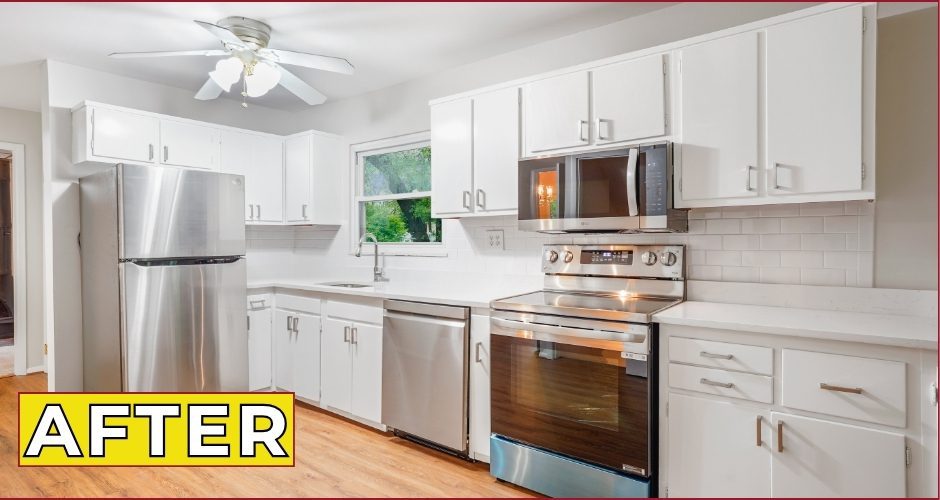
It wasn’t about spending more. It was about spending smarter.
The Best Investment: Expert Guidance
If you’re not sure where to focus, the wisest step before opening your wallet is connecting with a real estate professional. A seasoned agent knows which updates will truly boost your home’s value in your specific neighborhood — and which are overkill. Sometimes a 30-minute consult can save you thousands (and a few headaches).
Ready to Maximize Your Sale?
Don’t make the #1 costly home repair mistake most sellers regret.
Request your Free Home Value & Profitability Analysis today, and discover which updates really matter in today’s market. CLICK HERE




Join The Discussion